24 hr
Eswatini Cultural Discovery & Mantenga Falls
Cross into the Kingdom of Eswatini for a full-day immersion in Swazi heritage, dance, and nature
Reserve
Hand-picked by our editors — only the best 5 cross-border experiences from 18 reviewed
Verified partners for every tour, free cancellation where available, and instant confirmation on every booking.
24 hr
Cross into the Kingdom of Eswatini for a full-day immersion in Swazi heritage, dance, and nature
Reserve
9 hr
Cruise across Maputo Bay to explore three stunning islands with snorkeling, local cuisine, and pristine beaches
Reserve
24 hr
Cross into Mozambique for a full-day coastal escape with historic landmarks, market culture, and beachside lunch
ReservePrices from verified partners. Availability updates in real time at checkout. Free cancellation policies apply where shown.
The landmarks, rooms, and views travelers on this tour remember — all visible on a single visit.
View authentic architecture featuring beehive-shaped grass huts. Learn about local daily life and ancestral customs.
Witness the river cascading over 30 meters into a rocky pool. It is a landmark for nature enthusiasts.
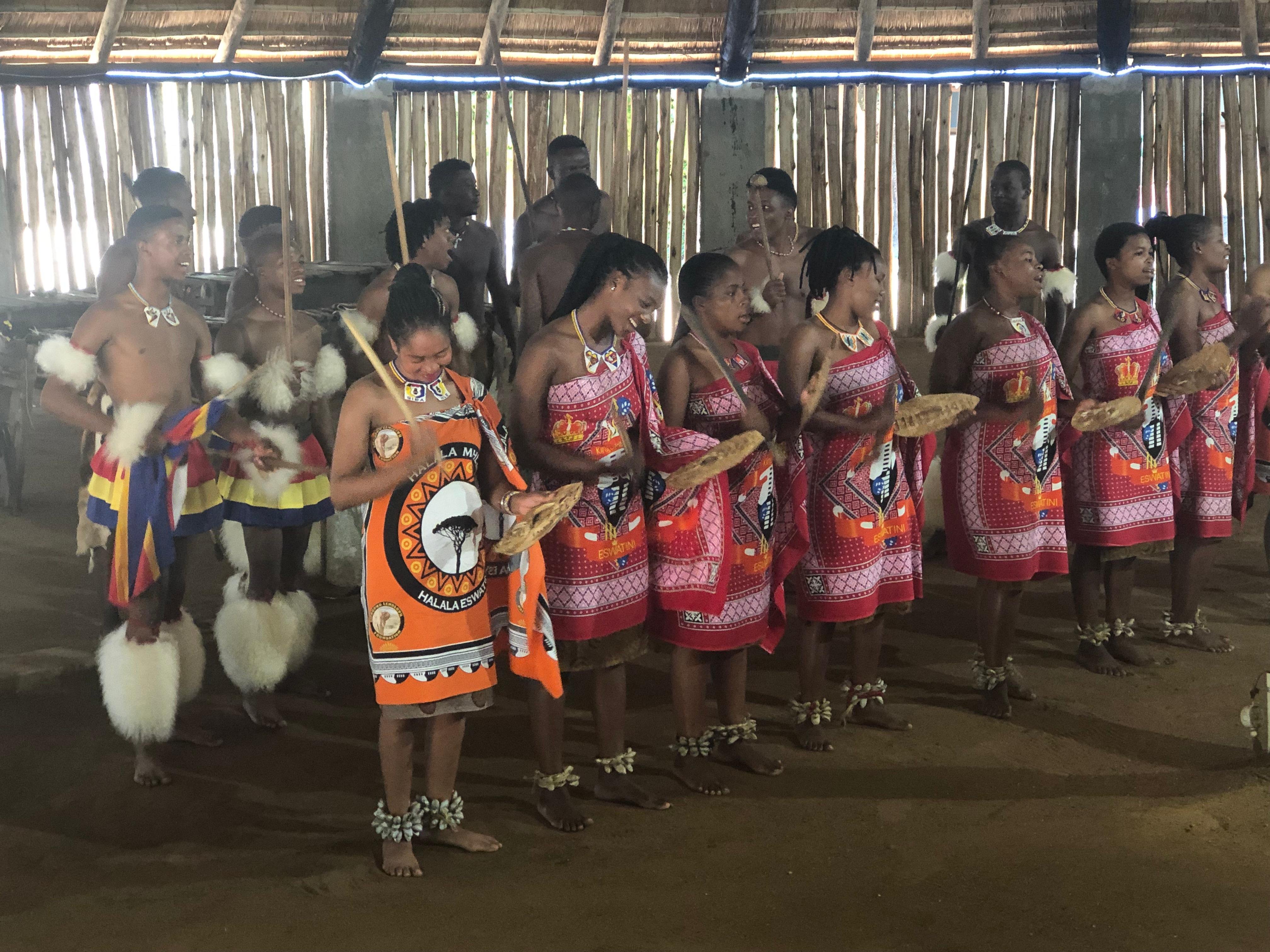
Observe the high-energy traditional dance performance held daily. The rhythmic drumming is a highlight of every visit.
Explore the reserve on foot to spot local bird species and primates. The trails offer peaceful views of the valley.
Browse handmade goods created by local artisans. Support the community by purchasing traditional beaded jewelry.
Mantenga provides a dynamic, performance-led encounter, whereas the National Museum offers a quieter, scholarly examination of Eswatini history. Travelers planning a maputo to eswatini tour tours itinerary often find the village provides a more lively introduction to local customs.
| Feature | Top pick Mantenga Village | Eswatini Museum |
|---|---|---|
Experience Type |
Living history display | |
Focus |
Traditional lifestyle and dance | |
Time Required |
2–3 hours | |
Interaction Level |
High participation | |
Cultural Depth |
Oral traditions and performance | |
Educational Format |
Observational and immersive | |
| See tickets → |
Verdict: Choose Mantenga for an active, social experience on your maputo to eswatini tour, or visit the National Museum if you prefer curated artifacts and detailed historical records found in your maputo to eswatini tour tickets.
Choose your ticket, select your date, and reserve in under two minutes. Secure checkout handled by our verified partner.
Instant confirmation by email, with a mobile voucher you can save offline. No printing, no queuing at a collection desk.
Arrive at the entrance, show your voucher on your phone, and walk in. Most tickets include priority or skip-the-line access.
Practical details for your visit straight from our verified partners — hours, access, rules, and how to get there.
Mantenga Nature Reserve, Ezulwini Valley
Primary entry for all visitors
Follow the MR3 highway toward Ezulwini Valley. Ample parking is available at the site entrance.
Casual and modest attire is recommended for a maputo to eswatini tour. Ensure you have comfortable walking shoes for the nature trails.
Small daypacks are permitted during your maputo to eswatini tour. Security staff may inspect bags at the reserve entrance.
Photography is encouraged throughout the site. Please remain respectful during cultural performances.
Some areas of the cultural village have uneven terrain. Assistance may be needed for visitors with limited mobility.
Mobile phone use is permitted, but please silence devices during the dance show. Cell service can be intermittent in the valley.
Children are welcome on any maputo to eswatini tour experience. The dance performance is highly engaging for younger visitors.
Light refreshments are available at the site. Bringing bottled water is advised for your comfort.
Pets are not allowed within the nature reserve to protect local wildlife. Please make prior arrangements for animal care.
Ensure your passport is ready for border crossings when joining a maputo to eswatini tour. Local currency is helpful for small purchases.
Mantenga Nature Reserve, Ezulwini Valley
Primary entry for all visitors
Get directionsBest time to go, insider tips, nearby landmarks, and the cancellation fine print — flip through to skim what matters to you.
How crowds, weather, and events shift across the year.
May to August offers dry, cool weather for hiking. This is the peak season for a maputo to eswatini tour journey.
Small details that turn a good visit into a great one.
Reserve your maputo to eswatini tour tickets in advance. This ensures you have transport secured for your travel dates.
Non-bookable sights within a short walk — free to visit, easy to pair.
A scenic waterfall located within the nature reserve. It offers a peaceful spot for nature photography.
Flexible, no hidden fees.
Cancellations must be made at least 24 hours in advance for a full refund. The entrance fee of 100 SZL is non-refundable once the ticket is validated at the gate.
Hand-picked options within walking distance — pick a district for vibe, or a specific hotel for convenience.
Comfortable lodge overlooking the valley. It provides easy access to local tour routes.
The Lomahasha-Namaacha border post handles fewer than 800 vehicles daily, yet it remains the primary overland corridor between Mozambique's capital and Africa's last absolute monarchy. Eswatini — formerly Swaziland until 2018 — occupies 17,364 square kilometres wedged between South Africa and Mozambique, its western highlands rising to 1,862 metres at Emlembe Peak while the eastern lowveld drops to 21 metres above sea level along the Lubombo escarpment. King Mswati III governs 1.2 million emaSwati through a dual system that layers elected tinkhundla councils beneath traditional chieftaincy structures older than the Berlin Conference. Maputo to Eswatini tour itineraries typically traverse 130 kilometres from sea level to the Ezulwini Valley, a limestone corridor that translates as "Valley of Heaven" and shelters the royal kraal at Ludzidzini, the Mantenga Nature Reserve's 800-hectare montane forest, and the twin capitals of Mbabane and Lobamba. The kingdom's compact geography allows day-trippers departing Maputo before dawn to reach Mantenga Cultural Village by mid-morning, witness the 11:15 Sibhaca warrior dance performed in traditional lihoiya loincloths and emajobo ankle rattles, then continue north to Hlane Royal National Park's 30,000 hectares where white rhino and lion populations have rebounded since reintroduction programmes began in 1992. Cross-border logistics remain straightforward for most passport holders: Mozambican exit stamps are issued at Namaacha, Swazi entry permits 400 metres beyond at Lomahasha, and the entire clearance sequence averages 22 minutes outside holiday weekends. The Mantenga reserve, 14 kilometres southeast of Mbabane along the MR3 highway, anchors most cultural itineraries. Its ethnobotanical trail winds past 76 labelled indigenous species — umhlabelo for ritual purification, insema roots ground into antimalarial paste, sibhaha bark stripped for weaving cordage — before ascending to a reconstructed 19th-century umphakatsi homestead where guides demonstrate beer-brewing in clay izinkamba pots and grain storage in elevated ligubo granaries. The adjacent Mantenga Falls drop 95 metres over a dolerite sill into a plunge pool fringed by tree ferns and Kniphofia caulescens, though the cascade slows to a trickle by late dry season in October. Hlane, by contrast, occupies thornveld 67 kilometres northeast in the lowveld, its flat acacia scrub and seasonal pans supporting 21 white rhino, four lion, and the kingdom's densest concentration of nesting white-backed vultures. Game drives depart the stone-and-thatch Ndlovu Camp at 06:00 and 15:30, the afternoon circuit timed to intercept rhino moving toward Ndlondlo Pan as temperatures drop. Cultural protocol within the kingdom prohibits photography of royal residences, military installations, and traditional ceremonies without prior consent, and visitors are expected to dress modestly when entering homesteads — no shorts or sleeveless tops for either gender. The lilangeni, Eswatini's currency, circulates at parity with the South African rand, and both are accepted interchangeably at hotels, fuel stations, and craft markets, though Mozambican metical must be exchanged at border cambios. SIM cards issued by MTN Eswatini provide LTE coverage across the highveld and Ezulwini corridor but drop to intermittent 3G in Hlane's eastern reaches.

"The Lomahasha-Namaacha border post handles fewer than 800 vehicles daily, yet it remains the primary overland corridor between Mozambique's capital and Africa's last absolute monarchy."
A step-by-step walkthrough of the visit — what you'll see, how long each stage takes, and the details that matter.
You meet your driver at Maputo's Avenida Julius Nyerere before 06:00, the city's jacaranda-lined avenues still dark as the vehicle accelerates west toward the EN2 highway. The climb begins 40 kilometres out, switchbacks carving through granite outcrops as the Indian Ocean's humidity thins into the cooler air of the Libombo plateau. At Namaacha, 90 minutes from departure, you queue briefly at the Mozambican immigration kiosk, passport stamped, then roll 400 metres uphill to the Swazi checkpoint where an officer in khaki shorts waves you through after scanning your visa-exempt nationality. The Ezulwini Valley opens below at kilometre 112, its floor quilted with sugarcane plots and the silver roofs of the Mantenga Nature Reserve visible against forested slopes. You reach the cultural village by 09:30, time to walk the ethnobotanical trail before the 11:15 dance performance. Guides demonstrate fire-making with a bow drill, the friction stick smoking against a slab of softwood, then lead you into a reconstructed beehive hut where a cooking fire burns in a central pit and sleeping mats line the curved walls. At 11:15 sharp, ten dancers in cowhide skirts and dyed feather headdresses enter the arena, their ankle rattles clacking in syncopation as they perform the Sibhaca courtship routine, each leap punctuated by the thud of bare feet on packed earth. After lunch at the reserve's café, longer Maputo to Eswatini tour itineraries continue northeast to Hlane, an hour's drive through lowveld scrub where the asphalt fades to graded dirt. Your game-drive vehicle — an open Land Cruiser with tiered bench seating — departs Ndlovu Camp at 15:30, following wheel ruts toward Ndlondlo Pan. Within 20 minutes you spot two white rhino bulls grazing 30 metres off-track, their horns backlit by the descending sun. You return to the Mozambican border by dusk, re-entering Maputo as street vendors light kerosene lamps along Avenida 25 de Setembro.
The reserve is open from 08:00–17:00 daily. Plan your visit within these hours to make the most of your maputo to eswatini tour.
Yes, the entrance fee is 100 SZL per adult for Mantenga Cultural Village, which includes the dance show.
For the best experience, arrive between 08:00–11:00 to explore before the 11:15 dance performance.
There are no strict baggage limits, but keep your gear compact for a comfortable maputo to eswatini tour. Do not leave valuables unattended.
Yes, the dance show is included in the 100 SZL entrance fee.
Yes, you can bring snacks to enjoy in designated picnic areas during your maputo to eswatini tour.
Some paths are paved, but the village terrain can be challenging. We recommend checking with your guide before the maputo to eswatini tour.
You may receive a refund if you cancel at least 24 hours before your scheduled maputo to eswatini tour.
Children are welcome and often enjoy the interactive nature of the cultural village. It is a family-friendly maputo to eswatini tour destination.
Yes, the nearby National Museum and Ezulwini Craft Market are excellent additions to your maputo to eswatini tour schedule.