
24 hr
Eswatini Day Trip: Cultural Village, Waterfall & Traditional Dance
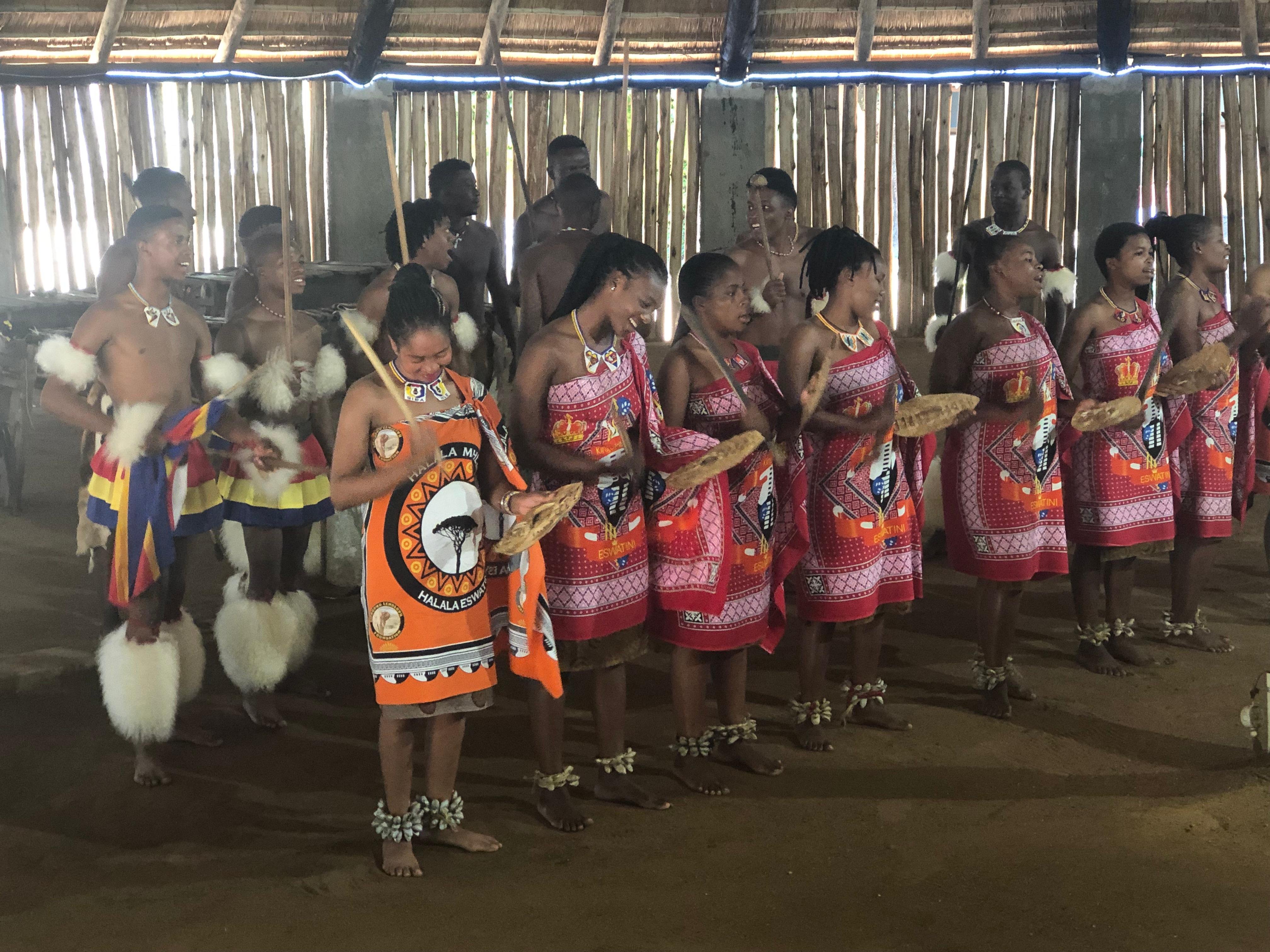
Cross into the Kingdom of Eswatini for a full-day journey through traditions, live performances, and nature.
Reserve
Hand-picked by our editors — only the best 5 experiences from 14 reviewed.
Verified partners for every tour, free cancellation where available, and instant confirmation on every booking.
24 hr
Cross into the Kingdom of Eswatini for a full-day journey through traditions, live performances, and nature.
Reserve
24 hr
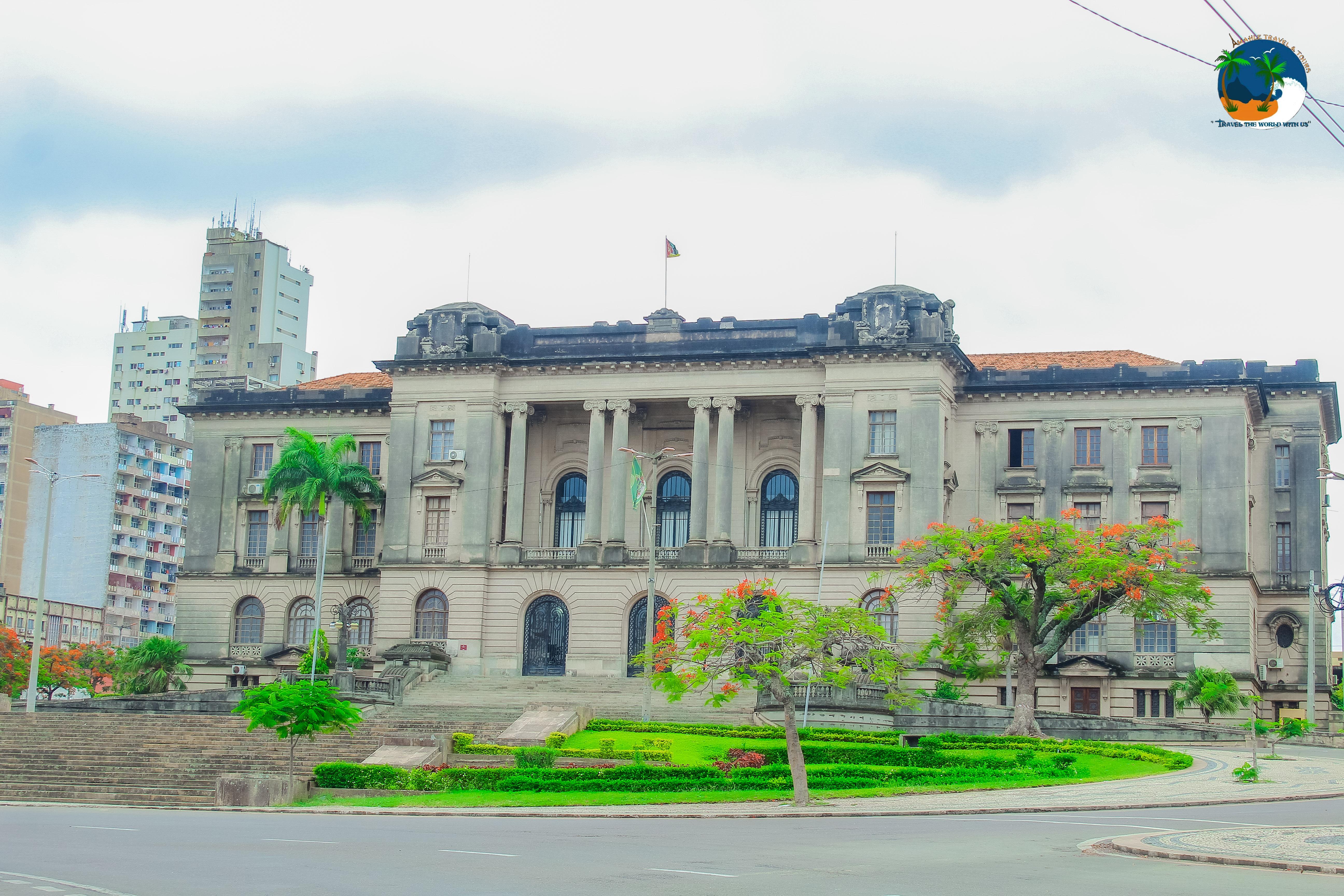
Cross into Mozambique for a full-day cultural immersion, bridge views, market visits, and beachside relaxation
Reserve
24 hr
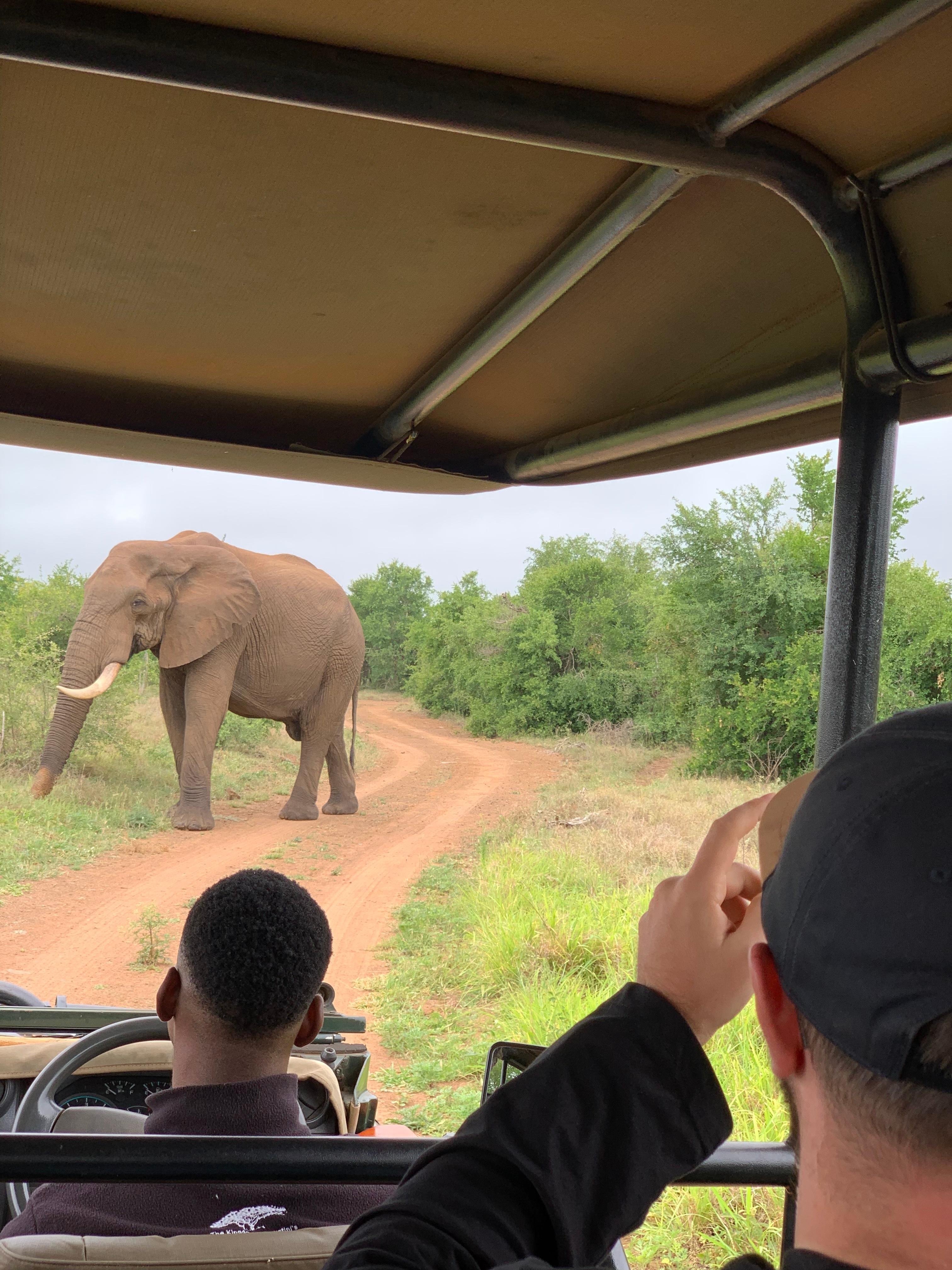
Cross into Eswatini for a full-day wildlife safari tracking rhinos, lions, and elephants in open vehicles
ReservePrices from verified partners. Availability updates in real time at checkout. Free cancellation policies apply where shown.
The landmarks, rooms, and views travelers on this tour remember — all visible on a single visit.
The tallest waterfall in the country, accessible via a scenic 15-minute trail through the forest.
Mantenga offers an authentic deep dive into local heritage, whereas Hlane focuses on raw wilderness encounters. These Eswatini tour from maputo experiences complement each other, but most visitors who prioritize wildlife prefer the vast landscapes of Hlane.
| Feature | Top pick Mantenga Cultural Village | Hlane Royal National Park |
|---|---|---|
Focus |
Living heritage and traditions | |
Primary Activity |
Cultural village tour | |
Duration from Maputo |
4–5 hours | |
Wildlife Opportunity |
Minimal | |
Cultural Immersion |
High | |
Best for |
Families and history enthusiasts | |
| See tickets → |
Verdict: Choose Mantenga for a curated, accessible exploration of Swazi customs, or book an eswatini tour from maputo tours to Hlane if your primary goal is tracking rhinoceros and lions in their natural habitat.
Choose your ticket, select your date, and reserve in under two minutes. Secure checkout handled by our verified partner.
Instant confirmation by email, with a mobile voucher you can save offline. No printing, no queuing at a collection desk.
Arrive at the entrance, show your voucher on your phone, and walk in. Most tickets include priority or skip-the-line access.
Practical details for your visit straight from our verified partners — hours, access, rules, and how to get there.
Mantenga Nature Reserve, Ezulwini Valley, Eswatini
Meet your guide at the main reception gate.
Follow the MR3 highway to Ezulwini Valley, then turn onto local signage for Mantenga.
Hire a local taxi service from Maputo or Mbabane.
Casual and comfortable outdoor clothing is recommended for an eswatini tour from maputo. Sturdy walking shoes are essential for navigating the forest trails to the waterfall.
Small daypacks are suitable for your eswatini tour from maputo experience. Ensure all personal belongings are kept secure as there are no public lockers on-site.
Photography is encouraged throughout the Mantenga Nature Reserve. Please respect the performers during the cultural dance by refraining from using flash photography.
The cultural village section of your eswatini tour from maputo is generally flat, though some paths near the waterfall feature uneven terrain.
Families will find the eswatini tour from maputo highly engaging, especially the interactive cultural demonstrations and the short, family-friendly waterfall walk.
The on-site Swazi River Café serves a variety of local and international dishes. We recommend staying hydrated during your eswatini tour from maputo by carrying bottled water.
Mantenga Nature Reserve, Ezulwini Valley, Eswatini
Meet your guide at the main reception gate.
Get directionsBest time to go, insider tips, nearby landmarks, and the cancellation fine print — flip through to skim what matters to you.
How crowds, weather, and events shift across the year.
Dry season offers pleasant weather for hiking and birdwatching.
Summer months are lush and green but expect occasional rain showers.
The best time for an eswatini tour from maputo is morning to catch the 15:15 performance.
Arrive early to avoid higher weekend visitor numbers.
Small details that turn a good visit into a great one.
Always aim to arrive before 15:15 to ensure you do not miss the main cultural dance.
Non-bookable sights within a short walk — free to visit, easy to pair.
Features extensive exhibits on local history and culture.
A tribute to the founder of modern Eswatini.
Browse local silver and textile crafts.
The main venue for national events.
Flexible, no hidden fees.
Full refunds are available for pre-booked group excursions if cancelled at least 48 hours in advance. Please note that the 100 SZL conservation fee is non-refundable.
Hand-picked options within walking distance — pick a district for vibe, or a specific hotel for convenience.
Comfortable chalets with views of the valley.
Popular choice for budget travelers.
The Kingdom of Eswatini—formerly Swaziland until 2018—remains one of Africa's last absolute monarchies, a landlocked enclave wedged between South Africa and Mozambique where royal protocol and wildlife corridors coexist within 17,364 square kilometres. For travellers departing Maputo, the 130-kilometre crossing west through the Lomahasha border post climbs from sea level to the Ezulwini Valley at 700 metres, a transition that compresses three ecosystems into ninety minutes of paved highway. The route, tarred in 2009 with South African development funds, replaced the dirt track that once made the journey a seasonal gamble. Mantenga Nature Reserve anchors the Ezulwini Valley floor, its 722 hectares protecting miombo woodland, granite outcrops, and a traditional Swazi village reconstructed in 1975 to preserve architectural forms—beehive huts of thatch and saplings—that disappeared from rural homesteads after independence in 1968. The cultural village operates daily, with dancers performing the sibhaca barefoot stomp and maidens' reed dance at 11:15 and 15:15. Ethnographic accuracy is debated; the site functions as both museum and theatre, staging ceremonies that in living practice occur only at royal kraals during Incwala and Umhlanga festivals. Fifty kilometres northeast lies Hlane Royal National Park, 30,000 hectares of lowveld savanna reintroduced with lion, elephant, and white rhino between 1992 and 2004 after colonial-era extirpation. Unlike southern Africa's fenced reserves, Hlane permits self-drive access on 22 kilometres of looped gravel, though lion-viewing areas require a park ranger escort. The reintroduction program sourced stock from Kruger National Park; genetic diversity remains a monitored constraint. Birdlife totals 350 recorded species, including the martial eagle and southern ground hornbill, both indicators of intact grassland. Eswatini's dual economy—subsistence maize agriculture employing 70% of the rural population, and SACU customs revenue funding the state—creates visible contrasts along the corridor. Roadside craft markets cluster at the Malkerns turnoff, where women weave lutindzi grass baskets using coil techniques unchanged since the 19th century. The kingdom's landlocked geography makes Maputo the nearest deepwater port; cross-border traffic sustains both tourism and freight, with daily movements peaking at harvest season. For visitors, the eSwatini tour from Maputo condenses highland culture, lowveld wildlife, and border-region trade into a single-day transect, a microcosm of southern Africa's layered geographies.
"The route climbs from sea level to the Ezulwini Valley at 700 metres, compressing three ecosystems into ninety minutes of paved highway."
A step-by-step walkthrough of the visit — what you'll see, how long each stage takes, and the details that matter.
You depart central Maputo at 07:30, crossing the Tembe River floodplain as the N2 highway straightens toward the Lomahasha border. Passport control takes twenty minutes; eSwatini stamps you in, and the road climbs immediately into acacia-dotted hills. By 09:45 you're descending into the Ezulwini Valley, where your guide pulls into Mantenga Nature Reserve. The cultural village sits on a hillside above the Mantenga Falls—plunging 95 metres over dolerite cliffs—and you walk through reconstructed homesteads, each hut's interior displaying grinding stones, clay pots, and sleeping mats woven from river reeds. At 11:15 the dance troupe assembles in the open-air arena. Drummers strike cowhide ngoma while male dancers in colobus-tail anklets stamp the sibhaca, bare feet raising red dust. The performance lasts thirty minutes; afterwards, you're free to photograph the dancers and purchase beadwork from the craft stall. Lunch is served at a lodge overlooking the valley—grilled game meat, pap, and chakalaka. Afternoon options split: some Eswatini tour from Maputo itineraries continue northeast to Hlane for a two-hour game drive in open 4x4s, tracking white rhino and giraffe along the Ndlovu Loop. Others remain in Ezulwini, visiting the Swazi Candles factory or Ngwenya Glass studio, where artisans blow recycled bottles into animal figurines. You're back at the Lomahasha gate by 16:30, reaching Maputo's waterfront by dusk.
The reserve is open daily from 08:00–17:00.
Yes, the entrance fee is 100 SZL (conservation fee, per adult visitor).
We recommend arriving between 08:00 and 15:15 to fully enjoy the village and the 15:15 dance performance.
You may bring snacks, but please use the picnic areas near the waterfall and respect the environment.
Yes, families are welcome, and children often enjoy the interactive aspects of the cultural village.
Dress in comfortable, weather-appropriate clothing with sturdy walking shoes for the forest trails.
Photography is permitted, but please be respectful during traditional dance performances.
Tickets can be purchased upon arrival at the Mantenga Nature Reserve gate.
Cancellations for group tours are subject to the operator policy, but the 100 SZL conservation fee is non-refundable.