
English| EUR
Suggested for you
More currencies
Choose a language
Maputo presents a layered security picture that rewards informed planning over blanket caution. The capital balances vibrant street life with petty-crime pressure points that shift by district and hour. This guide maps the risk terrain so you can move through the city with clarity rather than anxiety.
Quick answer
Maputo is moderately safe for tourists who take standard urban precautions, particularly during daylight hours in well-traveled districts. The city sees opportunistic theft—bag snatching, pickpocketing near markets, and car break-ins after dark—but violent crime targeting visitors remains uncommon. Staying in the Polana and Sommerschield neighborhoods, using registered taxis or ride apps, and avoiding isolated streets after sunset reduce risk substantially.
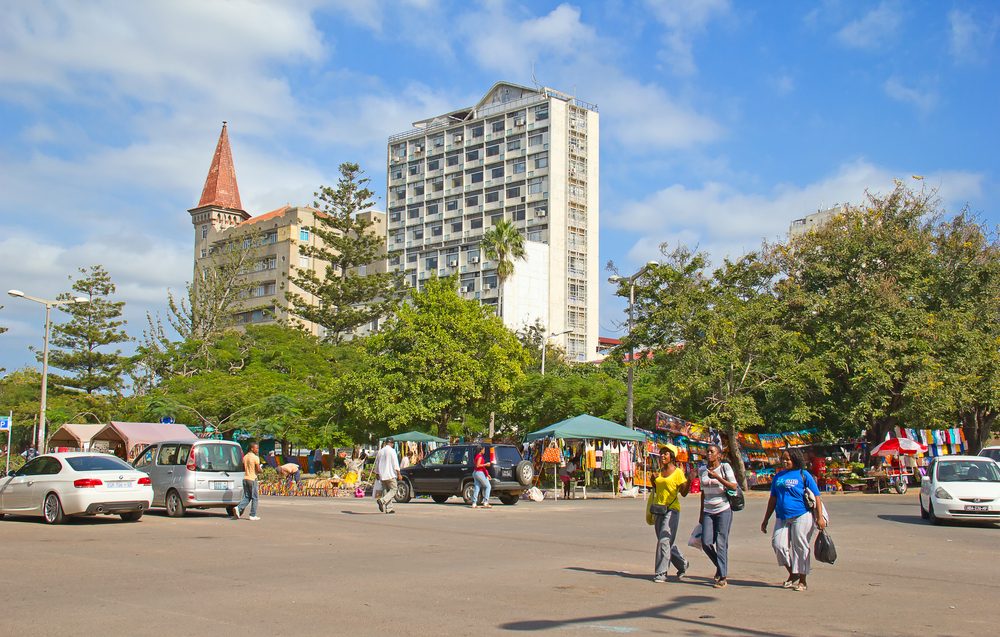
Maputo operates under two distinct security regimes: the daylit commercial core where foot traffic and police presence hold street crime in check, and the post-sunset perimeter where visibility drops and opportunistic theft accelerates. The difference matters because visitor safety in Maputo hinges less on whether the city is dangerous in abstract terms and more on which hours and routes you choose. Petty crime dominates the threat landscape. Bag snatching peaks near the Mercado Central and along Avenida Julius Nyerere, where dense crowds and narrow sightlines favor quick-grab tactics. Pickpocketing concentrates at ATM vestibules and the ferry terminal to Catembe. Car smash-and-grabs cluster in poorly lit parking zones after 20:00, with electronics and visible luggage as primary targets. Violent robbery exists but skews toward residential peripheries rather than the hotel and restaurant corridor that most visitors inhabit. The statistical gradient is steep: daytime risk in Polana and the Baixa district sits near typical African capital norms, while nighttime exposure in less-patrolled zones rises sharply. Navigation protocol separates cautious travelers from incident-prone ones. Use ride-hailing apps or hotel-arranged transport after dark rather than hailing street taxis, which lack accountability and occasionally facilitate setup robberies. Keep phones and cameras stowed when not in use; visible electronics signal opportunity. Walk the Marginal promenade and the Fortaleza district during the 08:00–17:00 window when foot traffic is continuous and street vendors create natural surveillance. Withdraw cash inside bank branches rather than standalone ATMs, and carry only the currency needed for the day. The Feira de Artesanato craft market and the Costa do Sol beachfront remain visitor-friendly throughout daylight, but the walk back to central hotels after dusk carries avoidable exposure. Police response in the tourist zone is present but not proactive—officers stationed near the Presidency and the Iron House rarely patrol side streets. Travel insurance that covers theft is standard prudence. The city's security profile has held steady since 2025, with no systemic deterioration but no structural improvement either. Maputo rewards the visitor who treats it as a working capital requiring attention, not a resort requiring vigilance.
“Maputo operates under two distinct security regimes: the daylit commercial core where foot traffic holds street crime in check, and the post-sunset perimeter where visibility drops and opportunistic theft accelerates.”
Navigating Maputo safely requires practical preparation and consistent situational awareness while moving through the city.
Avoid using smartphones or cameras in high-traffic pedestrian areas to reduce unwanted attention. Store devices securely until you reach an indoor, private environment.
Utilize pre-booked transfers or verified taxi apps rather than hailing vehicles on the street. Confirm your driver's identity and destination details before entering the car.
Dress conservatively to blend in with the local environment rather than standing out as a visitor. Minimize the display of jewelry, watches, or expensive accessories.
Walk confidently with purpose and remain aware of people following or loitering near your path. If you feel uneasy, enter a crowded shop or cafe immediately.
Carry only the cash and identification necessary for the day in a front pocket or cross-body bag. Keep passports and bulk travel funds in a secure hotel safe.
Visitors misjudge risk by treating all neighborhoods identically or by adopting behaviors that make them conspicuous targets. The following errors turn manageable situations into avoidable problems.
Walking alone after dark in poorly lit peripheral areas
Stay in central, well-lit districts after sunset or use reputable ride-hailing services. Avoid unlit streets in neighborhoods outside the downtown core.
Using unofficial taxis or accepting rides from strangers
Book rides through registered companies or verified apps. Unofficial vehicles lack accountability and increase exposure to theft or scams.
Displaying expensive jewelry, cameras, or large amounts of cash openly
Keep valuables concealed and carry only the cash needed for the day. Use hotel safes for passports and excess currency.
Leaving bags or phones unattended at outdoor cafés or beaches
Keep belongings within arm's reach at all times. Opportunistic theft targets distracted visitors in public spaces.
Ignoring local advice about which neighborhoods to avoid entirely
Ask hotel staff or local contacts for current guidance on areas with higher crime rates. Conditions shift, and recent information prevents wandering into risky zones.
Maputo is located at the southern tip of Mozambique, accessible primarily via major national roads connecting to the Eswatini border. Using private transfers or reputable taxi services is the most straightforward way to navigate the city safely.
N4 Toll Road from Eswatini border to central Maputo
Authorized hotel-affiliated taxi services within city limits
Regional bus services to Junta Bus Terminal
For optimal visibility and city exploration, plan your arrival between 08:00–17:00. Navigating during daylight hours ensures higher activity levels and easier identification of transit landmarks.
The best arrival window for visiting Maputo is 08:00–17:00, as these daylight hours provide optimal visibility and higher activity levels for safe city exploration. Staying within this window minimizes risks associated with navigating unfamiliar areas after dark.
Dry, cool weather; 18°C–25°C
This season offers comfortable temperatures and lower humidity for walking tours. Frequent sunshine makes navigation easier and enhances situational awareness.
Warm, humid weather; 24°C–30°C
Expect occasional rain showers during this period. Increased temperatures may affect midday movement patterns.
—
This window aligns with standard business hours and peak street activity. Visibility remains consistent throughout these hours for visitors.
Verdict: The optimal time for a visit is between May and September, arriving strictly within the 08:00–17:00 window to ensure maximum safety and visibility.
As Maputo is a capital city and not a gated attraction, it remains accessible to visitors throughout the week. The city functions continuously, though travelers should focus their activities during daylight hours.
Everything you need to know about is maputo safe for tourists
Maputo is generally welcoming to international travelers, though visitors should remain vigilant as they would in any major capital city. Assessing if maputo safe for tourists often comes down to maintaining situational awareness and avoiding isolated areas at night. Visitors should be mindful of their surroundings while navigating the bustling streets of the Mozambican capital.
When planning a day trip, travelers often ask is maputo safe for tourists in terms of petty crime. Keeping valuables hidden and using reputable transport services helps mitigate risks. Petty theft can occur in crowded areas, so securing personal belongings is essential for a smooth experience.
Traveling across the border from Eswatini is common, but questions regarding if maputo safe for tourists persist for those driving their own vehicles. It is advisable to use secure parking facilities and stay on well-traveled routes. Following local road etiquette and keeping vehicle doors locked is recommended for cross-border travelers.
Safety is enhanced by dressing modestly and avoiding the display of expensive jewelry or electronics. While wondering is maputo safe for tourists, keep in mind that official advice from your home country should always be checked before departure. Stick to well-lit, busy areas, especially during the evening hours.
The best arrival window is 08:00–17:00, which offers optimal visibility and activity levels for city exploration. Navigating the city during these daylight hours is generally recommended to ensure a secure and comfortable visit. Plan your arrival within this window to make the most of your time in the city.
While the city center offers vibrant architecture and history, travelers should exercise caution in less developed neighborhoods or when wandering far from the main tourist hubs. Understanding the local layout is key when evaluating if maputo safe for tourists in specific zones. Consult with your local guide or accommodation provider for current advice on which areas to frequent.
Exploring the capital with children is manageable if you stick to main attractions and pre-arranged transportation. Families questioning is maputo safe for tourists should maintain close supervision in markets and public squares. Choosing reputable tour operators ensures a more structured and safer environment for younger travelers.
Eswatini and Mozambique offer different experiences, and while Eswatini is known for its peaceful rural landscapes, Maputo provides a more intense urban environment. Evaluating if maputo safe for tourists requires acknowledging the shift in pace and density when transitioning between these two distinct locations.